What Is AI CRM? How to Choose the Right AI CRM for Your Business in 2026
Customer expectations are rising faster than ever, and traditional CRMs — once used mainly as digital Rolodexes — are no longer enough. As businesses...
3 min read
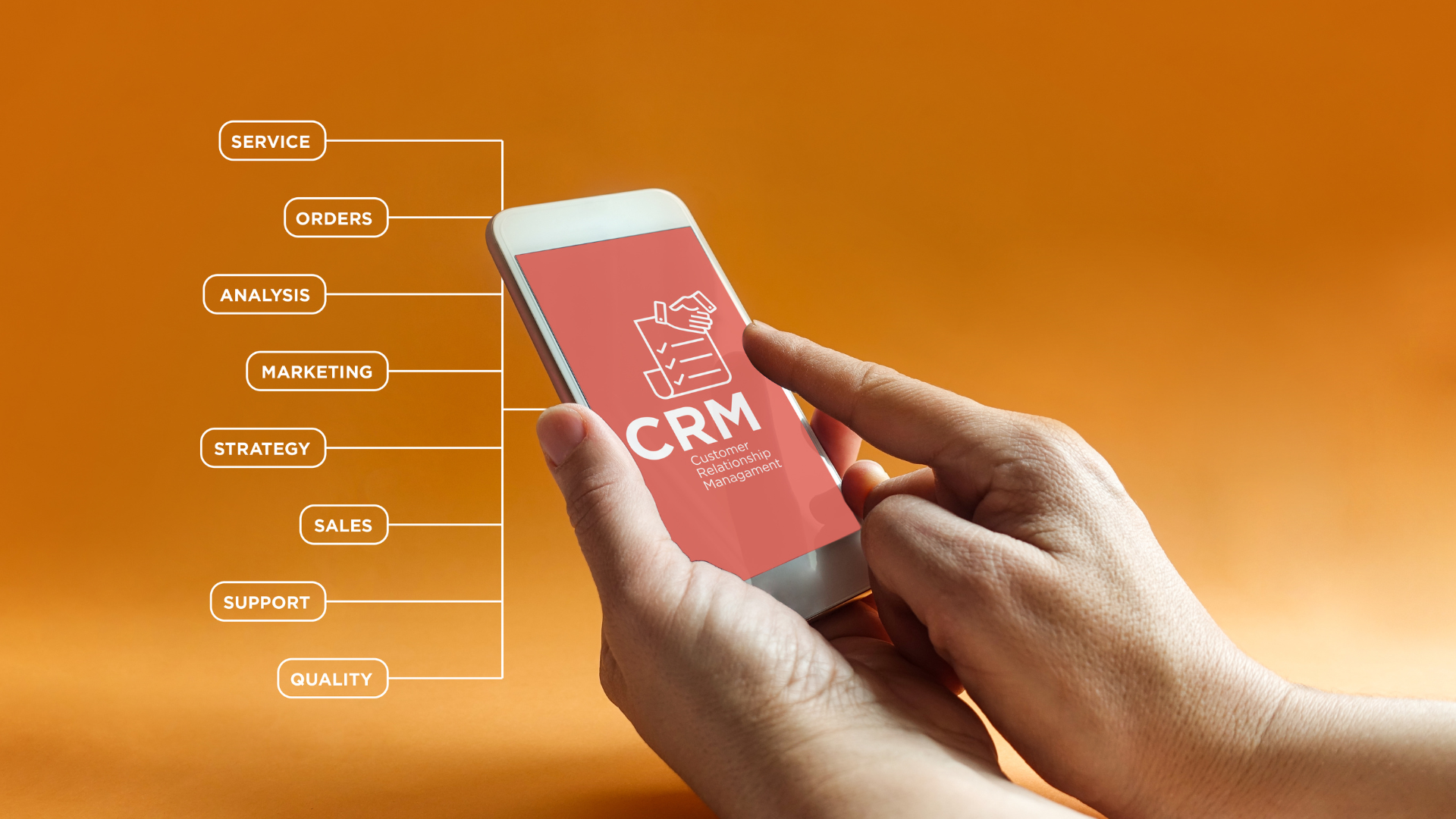
Choosing a CRM in 2026 is no longer a simple decision about features or pricing tiers. The CRM you select now becomes the operational backbone of your organisation — governing how your teams collaborate, how data flows through the business, how quickly you respond to customer needs, and how effectively you leverage AI. With customer expectations rising and digital journeys becoming more complex, a CRM acts not just as a database, but as the central system powering sales, marketing, service, and revenue operations. Companies that choose well build scalable systems and predictable growth; those that choose poorly often find themselves trapped in costly migrations or low-adoption platforms within a year.
Before evaluating a CRM, start by mapping how your team actually works. Identify how leads enter your pipeline, where sales reps perform follow-ups, how handovers occur between teams, and which steps consistently create friction. This clarity becomes your selection compass. A CRM should match your process — not force the team to operate around confusing structures or overly rigid automation rules.
If your business needs simple pipelines and fast adoption, platforms like Pipedrive or Freshsales are easy to deploy with minimal training. Larger organisations with multi-step approval processes or complex compliance workflows may prefer Salesforce or Microsoft Dynamics 365 because they support advanced customization and deeper enterprise governance.Many small and mid-sized teams choose HubSpot CRM for its intuitive interface, unified marketing–sales–service structure, and fast onboarding experience.
CRMs in 2026 are more intelligent than ever. AI suggests next-step actions, predicts revenue outcomes, drafts emails, scores leads, and identifies pipeline risks. But not every team is ready for the same level of sophistication. When evaluating CRMs, consider whether your team needs accessible AI or deeply customizable AI.
For example, HubSpot CRM offers “assistive AI” designed for everyday users — drafting emails, analyzing deals, and generating reports with minimal user effort. Meanwhile, enterprise systems like Salesforce integrate advanced predictive models, custom AI prompts, and Einstein analytics that require more RevOps expertise.
If your team lacks operational support or dedicated CRM administrators, a highly flexible AI engine may become underutilized or overwhelming. On the other hand, if your GTM motion depends heavily on predictive lead scoring, complex forecasting, or multi-region data, a lightweight CRM won’t scale.
As teams rely on dozens of tools — accounting platforms, email systems, customer support portals, e-commerce systems, analytics dashboards — your CRM must act as a true “single source of truth.” That requires robust integrations, reliable sync rules, and strong API capabilities.
A CRM might list thousands of integrations, but not all sync deeply.
For instance:
HubSpot CRM integrates seamlessly with Shopify, Google Ads, and Slack, syncing data bi-directionally with clean mapping options.
Zoho CRM integrates well with finance tools like Zoho Books and offers a unified “Zoho One” ecosystem.
Enterprise CRMs like Microsoft Dynamics 365 pair naturally with ERP systems like Business Central.
Ask whether the CRM can sync contact lifecycle stages, marketing events, product data, subscription records, or support tickets — not just basic email logs.
The most powerful CRM is useless if adoption is low. In fact, poor adoption is the #1 reason companies switch CRMs within 12–18 months.
UI clarity, intuitive workflows, and low-friction data entry determine whether your team uses the system consistently.
For example:
HubSpot CRM is widely recognized for its ease of use — ideal for teams without heavy admin resources.
Salesforce can become extremely powerful but often requires full-time admins or partner support.
Understanding your team’s capacity for change is critical.
CRM pricing has become more modular and more complex. Starter tiers may seem affordable, but advanced reporting, custom objects, automation or user seats can significantly increase total cost as you scale.
Before choosing a CRM, calculate:
Cost at your current stage
Cost in 12 months
Cost in 24 months with realistic team growth
The cost of required add-ons or third-party integrations
This helps avoid migrating later because the platform becomes too expensive or too limited.
Selecting the right CRM in 2026 is less about chasing the most features and more about choosing a system that fits your people, processes, and long-term strategy.
If you want ease of use + strong AI + unified marketing & sales, choose a platform like HubSpot.
If you need deep customization, enterprise governance, or global complexity, platforms like Salesforce or Microsoft Dynamics may suit you better.
If you're a small sales-led team needing simple pipelines and fast deployment, Pipedrive or Freshsales might be ideal.
If you're a cost-conscious operation wanting an all-in-one toolset, Zoho CRM offers strong value.
The right CRM becomes a scalable foundation for your entire customer journey. The wrong choice becomes an expensive administrative burden. With clarity, planning, and a focus on how your team truly works, you can make a decision that supports your business through 2026 and beyond.
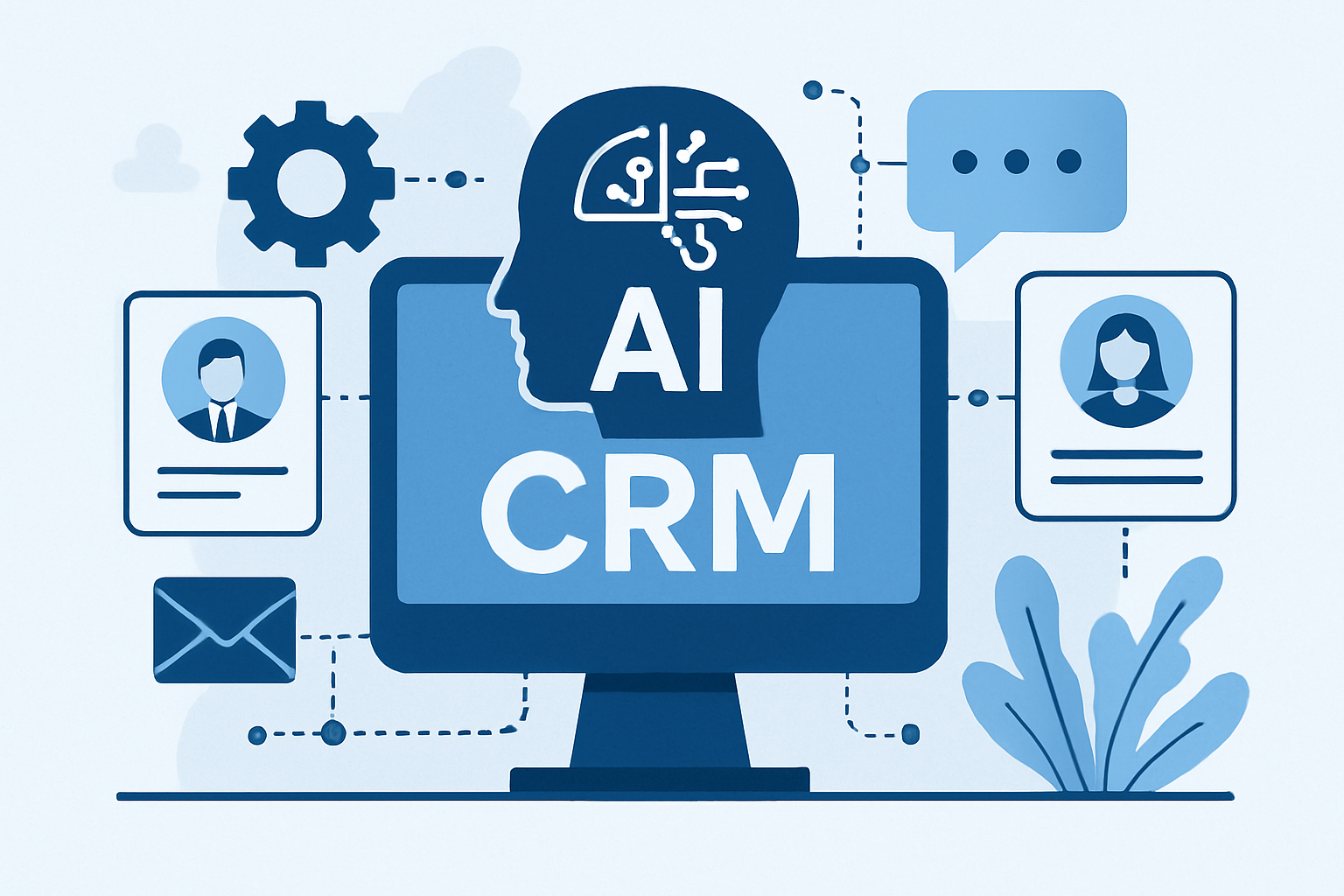
Customer expectations are rising faster than ever, and traditional CRMs — once used mainly as digital Rolodexes — are no longer enough. As businesses...

Creating quality content is a critical part of any marketing strategy, but it can also be time-consuming and challenging. This is where the HubSpot...
HubSpot has launched an official connector for Anthropic’s Claude so you can chat with your CRM context directly in Claude and get charts, summaries,...