How to Choose the Right CRM for Your Team in 2026
Why CRM Selection Matters More Than Ever in 2026 Choosing a CRM in 2026 is no longer a simple decision about features or pricing tiers. The CRM you...
3 min read
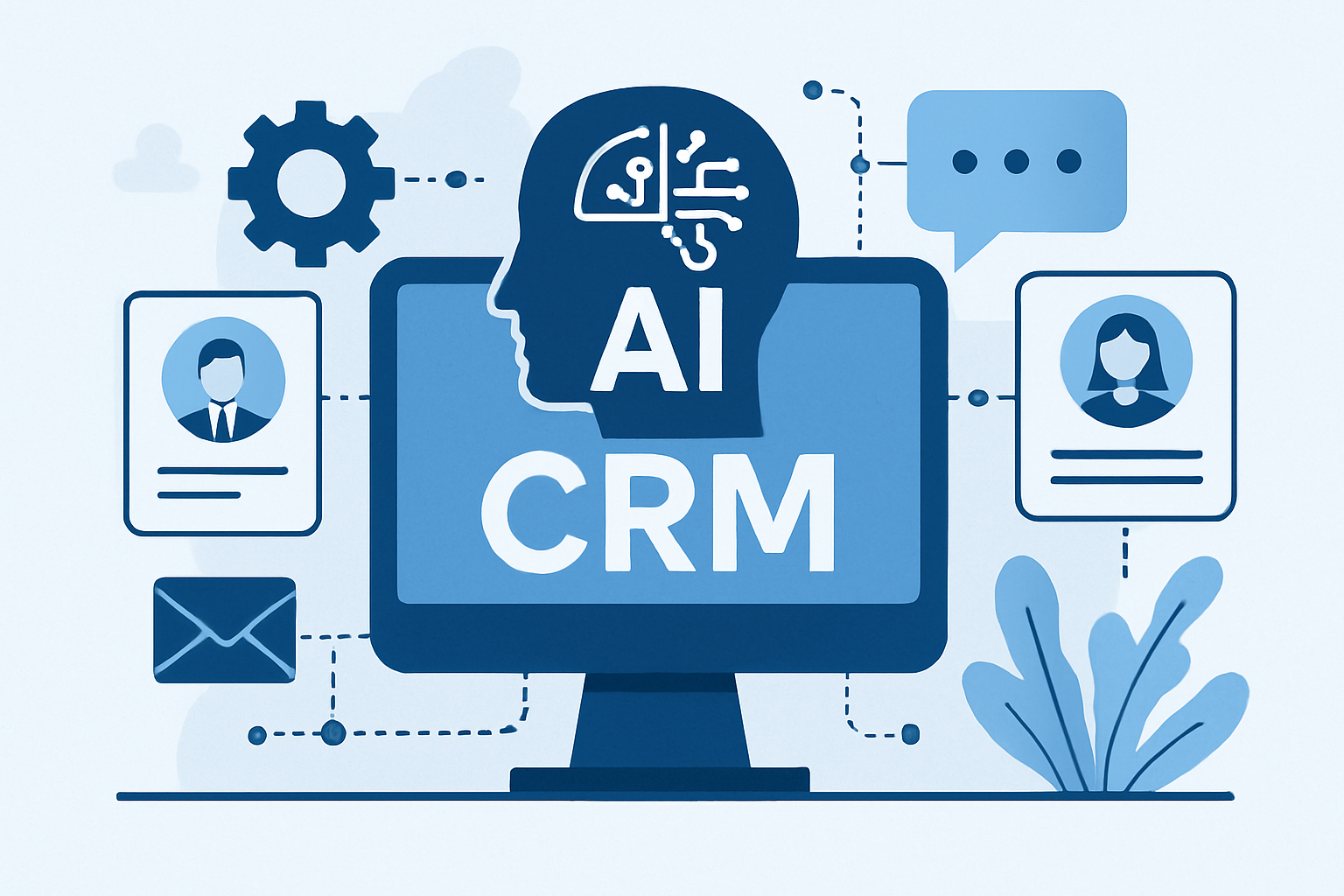
Customer expectations are rising faster than ever, and traditional CRMs — once used mainly as digital Rolodexes — are no longer enough. As businesses move into an era shaped by automation, predictive analytics and conversational interfaces, AI-powered CRM systems have emerged as the new standard. But with dozens of platforms now claiming “AI capabilities,” many companies struggle to understand what AI CRM truly means and how to choose the right solution for their needs. This guide breaks down what AI CRM is, how it works, and what you should evaluate when selecting one in 2026.
An AI CRM is a customer relationship management system enhanced by artificial intelligence to help businesses work faster, personalise customer interactions and make better decisions. While traditional CRMs offered data storage and workflow tools, AI CRMs actively assist teams by interpreting data, anticipating customer needs and automating high-value tasks. Instead of simply recording interactions, they analyse patterns, score leads, draft emails, forecast revenue, and recommend actions that increase conversions and customer satisfaction.
AI CRMs combine several technologies — including natural language processing, predictive analytics, generative AI and machine learning — to help businesses interact with customers in a more intuitive, human-centered way. The result is a system that not only supports your workflow but participates in it, reducing manual effort and enabling teams to focus on strategy and higher-impact work.
AI CRM transforms the CRM from a system you update into a system that guides you. Instead of having to manually log activities or decipher trends, teams are presented with clean summaries, recommended next steps and risk alerts. Sales reps receive suggestions for the best time to contact a prospect or whether a deal needs more engagement. Marketers gain predictive insights into which contacts are most likely to convert or churn. Service teams get real-time sentiment analysis and automated knowledge-base suggestions.
AI no longer waits for you to update a deal stage; it analyses deal velocity, communication patterns and historical win data to predict the probability of closing. These intelligent forecasts help leaders plan resources, adjust quotas and improve accuracy without relying on subjective rep input.
Generative AI now writes outreach emails, campaign drafts, follow-up messages and support responses tailored to a customer’s behaviour and profile. Instead of sending generic content, teams can deliver highly targeted, contextual messages at scale — all while preserving each brand’s tone of voice.
Before comparing platforms, map the areas where your team loses the most time or visibility. Some organisations need AI primarily for lead scoring and forecasting. Others need AI that supports marketing content creation, customer service automation or pipeline insights. A clear understanding of your pain points will help you distinguish between platforms with meaningful AI capabilities and those with surface-level features.
Not all AI CRMs are equally intelligent. Some offer lightweight assistants, while others integrate deeply across data, automation and reporting. Assess how the AI interacts with your workflow. Can it understand your pipeline, generate accurate insights and automate end-to-end processes? Does it support natural language queries so users can access reports and segments conversationally?
A strong AI CRM should unify marketing, sales and service rather than treat them as separate modules. That means AI should be able to analyse a contact’s full lifecycle, not just one portion. A customer who visited a pricing page, attended a webinar and opened multiple emails should be automatically flagged for sales follow-up with recommended messaging. If AI insights are trapped in silos, the CRM will not reach its full potential.
CRM failure typically comes from low adoption, not lack of features. The best AI CRM for your team is the one users actually enjoy using. Look for intuitive interfaces, conversational search, simple automation builders and AI assistants that reduce — rather than increase — cognitive load. Platforms like HubSpot emphasise ease of use, while enterprise-grade CRMs like Salesforce offer deeper configurability but may require dedicated admins.
AI is only as good as the data it receives. A strong AI CRM should integrate cleanly with your existing systems — email, ads, accounting, e-commerce, support tools — and maintain reliable two-way sync. The platform should also provide features such as deduplication, enrichment and data validation so the AI engine works with accurate, structured information.
Your business in 2026 may not look the same in 2028. As your customer journey becomes more complex, your CRM should support custom objects, advanced automation, AI-generated reporting and flexible workflows. Avoid platforms that lock essential AI features behind rigid pricing or limit automation capabilities at scale. Long-term costs and extensibility should factor into your selection as much as initial usability.
AI CRMs are redefining how teams operate — shaping processes, improving accuracy and turning every interaction into an opportunity for personalisation. Businesses that embrace AI now will gain a competitive advantage in efficiency, customer intelligence and revenue predictability. Those that delay may find themselves held back by manual processes and fragmented data.
Choosing the right AI CRM requires clarity on your workflow, an honest assessment of your team’s readiness and a visionary approach to how AI will shape your business over the next five years. When the CRM becomes a thinking partner instead of a digital filing cabinet, teams unlock new levels of productivity and customer experience.

Why CRM Selection Matters More Than Ever in 2026 Choosing a CRM in 2026 is no longer a simple decision about features or pricing tiers. The CRM you...
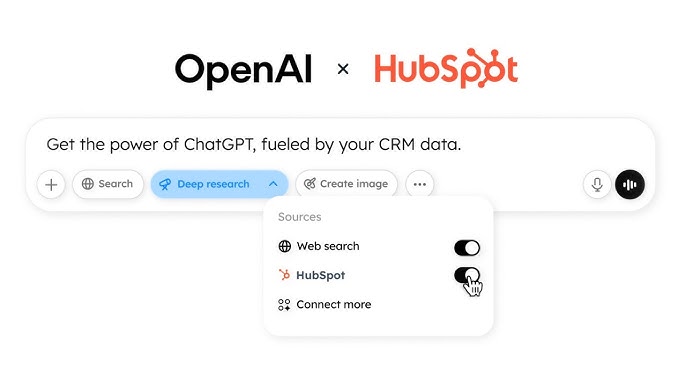
On June 4, 2025, HubSpot became the first CRM to launch a Deep Research Connector with ChatGPT, enabling businesses to seamlessly bring their CRM...
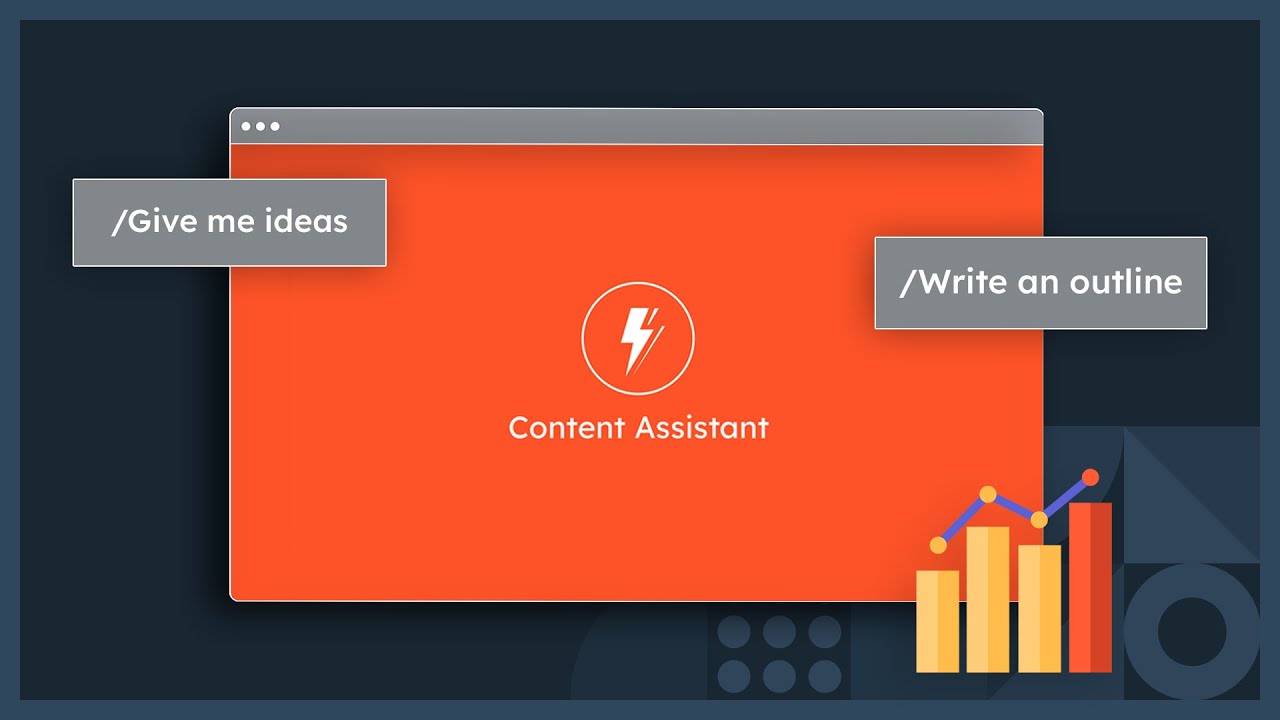
HubSpot has recently released the public beta version of AI-powered content assistant. With the free AI Content Writer, you can ask AI to generates...